
New support for Karratha families as disability system enters period of change
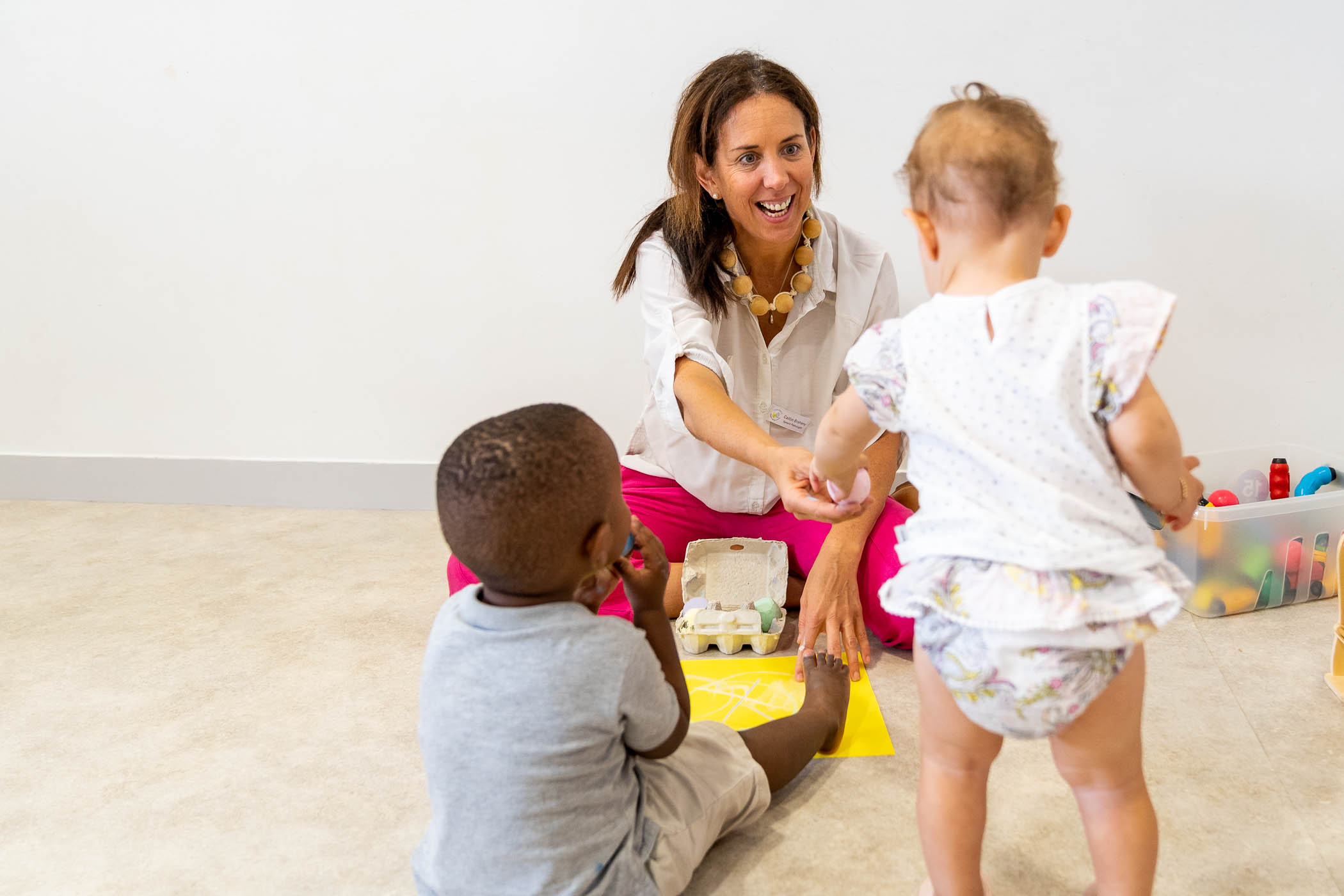
For the first time, Karratha families raising young children with disability, developmental concerns or neurodivergence will be able to take part locally in the free ENVISAGE Families program this October.
The program arrives as families across Australia prepare for changes to the way young children with developmental delay and autism are supported, with the new Thriving Kids system beginning its rollout from October.
Unlike many disability supports, families don't need an NDIS plan or formal diagnosis to take part in ENVISAGE Families.
The program will be facilitated locally by Connect Paediatric Therapy Services Director and Senior Speech Pathologist Caitlin Breheny, who has spent more than 13 years living and working in rural and remote Western Australia.
“Families in regional and remote communities can face very different challenges when it comes to accessing services and finding the right support for their child,” Ms Breheny said.
“Having worked with families in the Pilbara for many years, I know how important it is to have opportunities like this available locally. I’m looking forward to bringing Karratha parents and caregivers together to connect and focus on what matters to their family.”
ENVISAGE Chief Investigator Professor Laura Miller, said ENVISAGE was designed to build caregivers’ confidence and knowledge while recognising families as experts in their own lives.
“Parents and caregivers know their children and families best. ENVISAGE gives them the opportunity to build on that knowledge, connect with other families and explore practical approaches that support their family’s goals,” Professor Miller said.
“Importantly, families don’t need to have everything figured out before they join us. ENVISAGE is available to families with a young child with disability, developmental concerns or neurodivergence, including those who may still be early in their journey.”
With 2027 approaching, the program also gives families an opportunity to prepare for transitions such as starting or changing childcare or school, establishing new routines, navigating services and thinking about what comes next.
The in-person Karratha program begins 26 October 2026, with online programs scheduled throughout October and November.


